
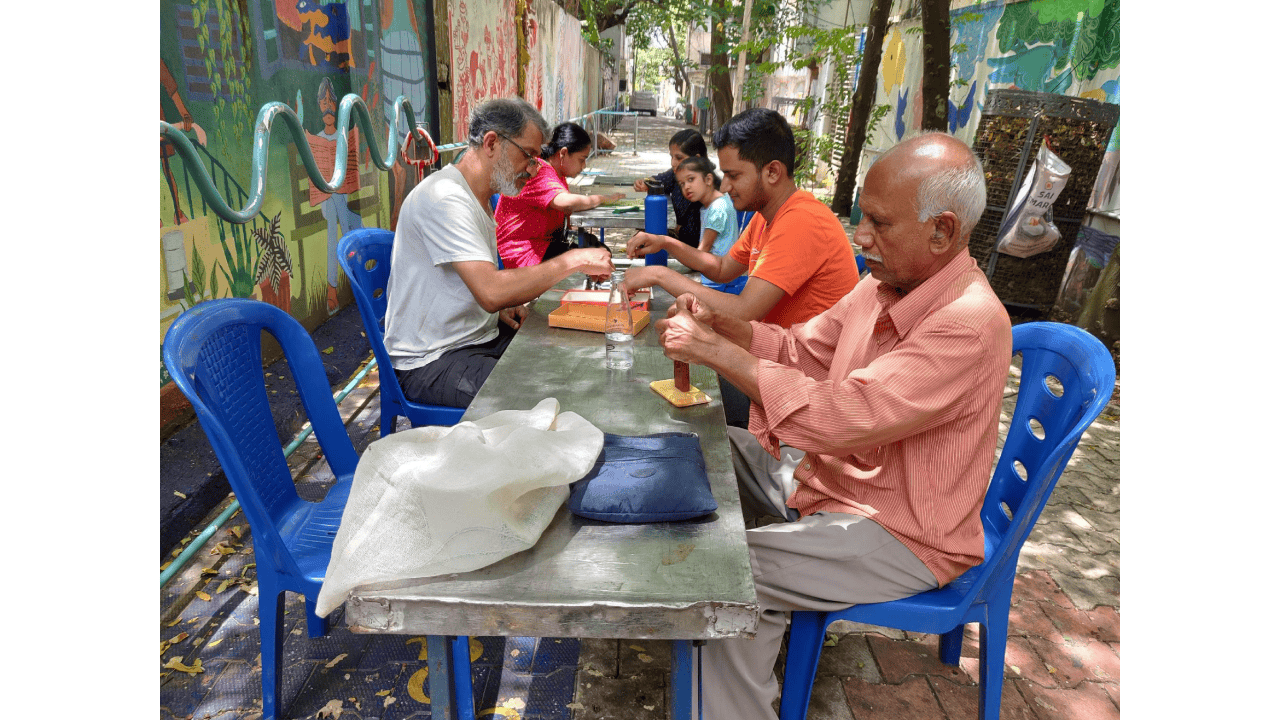
Public spaces are more than physical spaces within a city. They are places where people can come together, connect, learn, participate and build a sense of community. Parks, libraries, streets, plazas and other shared spaces can function as “third places”— spaces beyond home and work where people can interact and engage.
Across Indian cities, communities are finding ways to activate underused or neglected public spaces through activities such as reading, children’s programmes, cultural events, recreation and citizen engagement. The fifth session of the Oorvani Change Network brought together community practitioners and citizen groups from Kolkata, Bengaluru, Chennai and Mumbai to explore how existing spaces can become places to meet, learn, play and build connections.
The speakers included Suchitra Deep, architect and community activist from Bengaluru; Sivaprabha C, Program Associate at Aarvam, an NGO in Chennai; and Mohan Singh, founder of Gariahat Chess Club in Kolkata. Lakshmi Yazhini from Oorvani also shared details from Celebrate Bandra Trust’s efforts in making public spaces accessible in Mumbai, as shared by Patricia Nath, convenor of the Trust. All the speakers’ experiences highlighted how creating meaningful public spaces does not always require building something new but creatively making use of what already exists within our cities.
Rethinking what a public space must look like
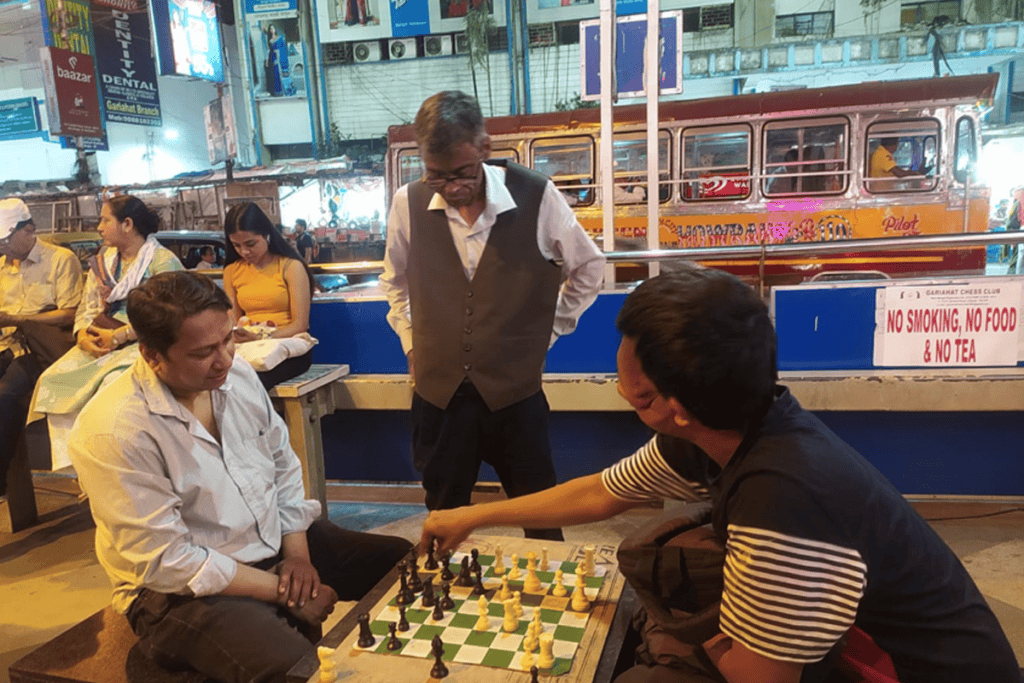
In Kolkata, Mohan Singh spoke about the Gariahat Chess Club, which began around 20 years ago when residents started playing chess under the Gariahat flyover. It has since grown into an open space where anyone can play. With support from the police commissioner, seating was also created under the flyover.
The space is maintained through contributions from regular players, while passers-by, children and other community members can use it without paying. The club now hopes to expand its chess teaching, particularly for children from poorer backgrounds, but limited funds remain a challenge.
The Chess Club initiative pushes us to think about how public spaces need not be rigidly defined — like parks, community centres etc. — but can grow organically and foster community even within spaces such as under a flyover.
Source: The Statesmen https://www.thestatesman.com/supplements/8thday/preserving-the-legacy-of-chess-in-kolkata-1503288344.html#google_vignette
Finding possibilities in overlooked spaces
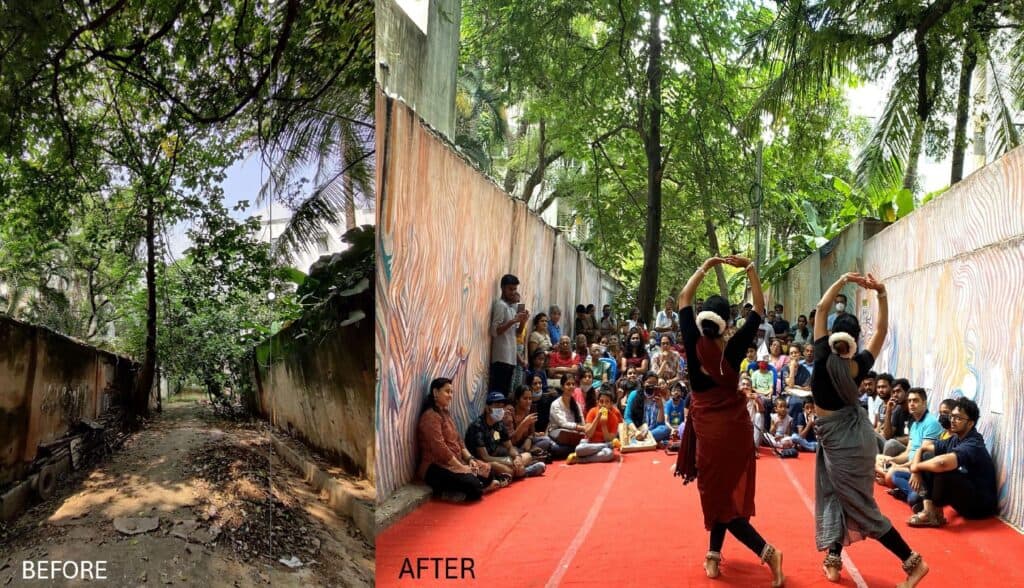
In Bengaluru’s Malleswaram, Suchitra Deep spoke about Walkable Malleswaram, an initiative that sought to revive neglected “conservancies”— service lanes between houses that had become dumping grounds or been encroached upon.
One such space was transformed with seating, exercise elements, murals and areas for socialising. Board games, flea markets, children’s events and talks brought people into the space. The project was shaped through workshops, focus group discussions and surveys.
However, plans to develop several conservancies faced administrative and political hurdles. The experience highlighted how difficult it can be for community initiatives to secure institutional support and approvals, and how important government support is for sustaining such interventions.
Source: Suchitra Deep
Mumbai’s Carter Road promenade offered another example. Once an undeveloped area used for dumping waste and old vehicles, it was transformed into a public space for walking, recreation and community activities through sustained resident engagement. For around two decades, residents worked with authorities to secure approvals, execute the project and maintain the promenade, before local authorities eventually took over its maintenance.
Making public spaces inclusive
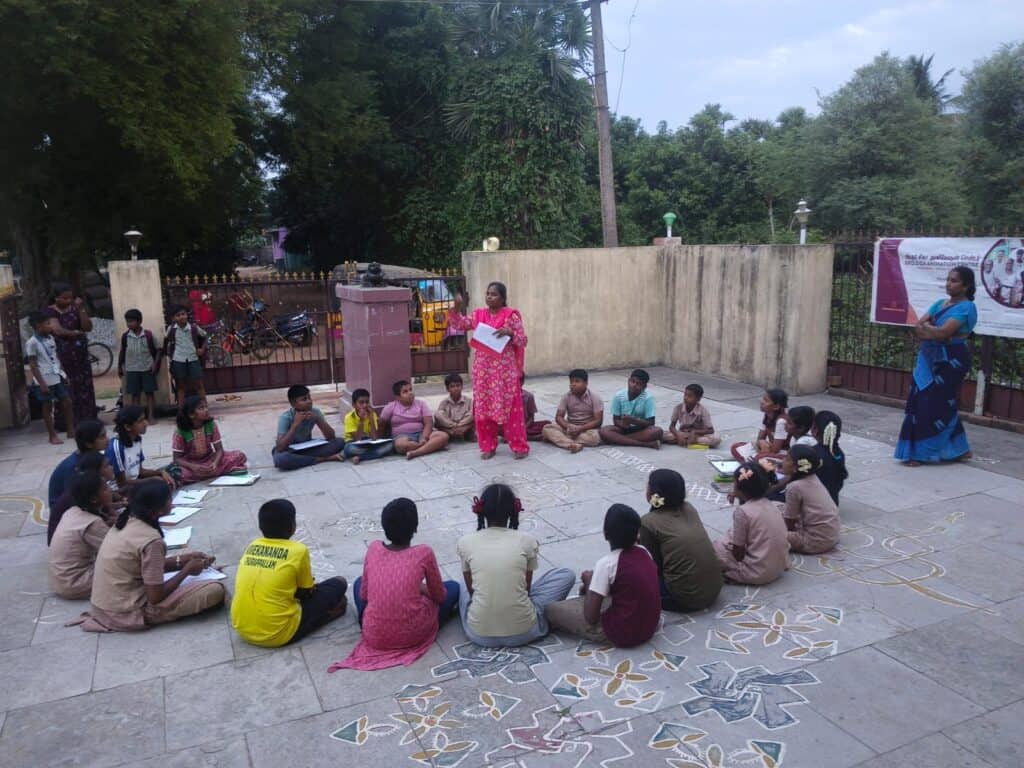
In Chennai, Sivaprabha C described how Aarvam uses parks, under-bridge spaces and other community spaces for reading, storytelling, yoga, wellness activities, celebrations and educational programmes.
For Sivaprabha, the challenge is not simply using public spaces but helping people feel that these spaces belong to them. Children are encouraged to use them while also understanding their responsibility to care for them. Such activities have also helped the organisation connect with parents, passers-by, officials and police.
Her advice was to start small, understand community needs, build trust, communicate with authorities where necessary and remain consistent.
Source: Aarvam
Beyond Citizen Initiatives: The Way Forward
The discussion also opened up to other citizen initiative examples: Ramdas Naik, a resident welfare association representative from Chennai, shared how his neighbourhood had worked for years to reclaim an open space that had been encroached upon and eventually get it recognised and developed as a park. It is now used for walking, yoga, children’s activities and community events, with residents contributing towards its maintenance.
The responsibility of making accessible public spaces cannot rest entirely with citizens. Local governments also need to protect open spaces, provide community infrastructure and make public spaces genuinely usable.
The session ended with a larger question about the kind of cities we are creating. As public spaces become increasingly dominated by vehicles, parking, and restrictions on how people can gather, opportunities for informal social interaction are shrinking. The result is not only a loss of physical space, but potentially a loss of community as well.
The experiences shared through the Oorvani Change Network highlight how public spaces need not be built from scratch, but can be found even within unconventional spaces in our neighbourhood. As citizens, we must not only hold our government accountable for utilities and basic necessities, but also demand accessible spaces of leisure, comfort and community.